
Tips for Creating a Productive Home Office Environment
Creating a productive home office environment is essential for anyone working remotely or managing tasks from home. A well-designed workspace can enhance focus, reduce distractions, and improve overall work satisfaction. Whether you have a dedicated room or a small corner in your living space, these tips will help you create an environment that supports productivity and comfort.
1. Choose the Right Location
Selecting the best spot for your home office is the first step. Ideally, pick a quiet area that receives natural light and is away from high-traffic zones in your home. Having a separate space can help mentally separate work time from personal time.
– Look for a room with a door to minimize interruptions.
– If space is limited, use room dividers or screens to create a designated area.
– Ensure good ventilation and comfortable room temperature.
2. Invest in Comfortable and Ergonomic Furniture
Comfort directly impacts productivity and health. Invest in a good-quality chair with adequate lumbar support and a desk at the right height to maintain proper posture.
– Choose a chair with adjustable height and armrests.
– Consider a sit-stand desk if you prefer alternating between sitting and standing.
– Keep your feet flat on the floor or on a footrest.
3. Optimize Lighting
Proper lighting reduces eye strain and boosts mood.
– Maximize natural light by positioning your desk near windows.
– Use adjustable task lighting such as desk lamps to focus light where needed.
– Avoid screen glare by positioning your monitor perpendicular to windows.
4. Keep Your Workspace Organized
An organized desk helps maintain focus and reduces stress.
– Use storage solutions like shelves, drawers, and organizers to keep clutter away.
– Develop a filing system for important documents.
– Limit items on your desk to essentials only.
5. Equip Your Office with Necessary Technology and Supplies
Ensure your workspace has all the tools you need to work efficiently.
– Use a reliable computer, high-speed internet, and necessary peripherals.
– Keep chargers, notebooks, pens, and other supplies within easy reach.
– Invest in noise-canceling headphones if background noise is an issue.
6. Personalize Your Space Wisely
Personal touches can make your workspace inviting without being distracting.
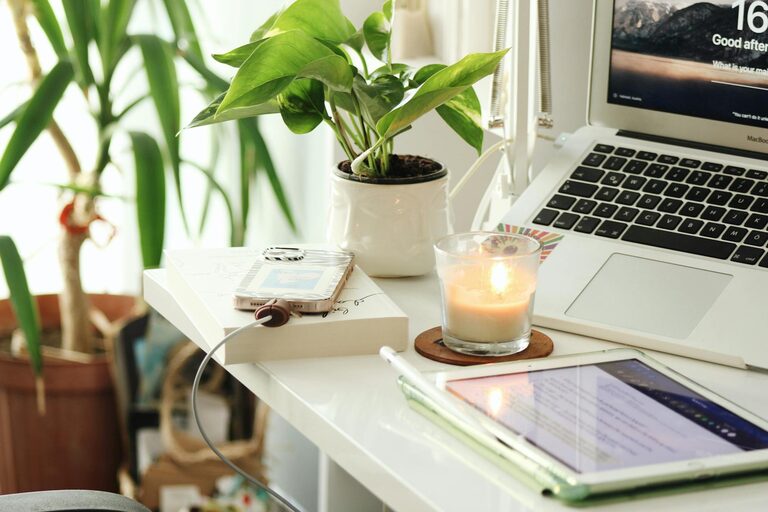
– Add plants to improve air quality and provide a calming effect.
– Hang artwork or motivational quotes that inspire you.
– Use colors that promote focus, such as soft blues or greens.
7. Establish Boundaries and a Routine
Creating boundaries helps maintain a healthy work-life balance.
– Set specific working hours and communicate them to family members.
– Use your workspace only for work to associate the area with productivity.
– Take regular breaks to avoid burnout—consider techniques like the Pomodoro method.
8. Minimize Distractions
Distractions can significantly decrease productivity.
– Turn off unnecessary notifications on devices.
– Use apps or browser extensions that block distracting websites during work hours.
– Keep your phone out of reach unless needed for work.
9. Maintain a Clean Environment
A tidy workspace contributes to a positive mindset.
– Schedule time weekly for cleaning and tidying your office.
– Dispose of or recycle unnecessary papers and materials regularly.
– Use disinfectant wipes to keep surfaces clean.
10. Stay Flexible and Adapt
Your home office needs might change over time.
– Be open to reorganizing or redecorating your space as your needs evolve.
– Experiment with different setups to find what works best.
– Take note of productivity patterns and adjust your environment accordingly.
—
Creating a productive home office is about balancing function with comfort. By carefully choosing your location, investing in ergonomic furniture, managing lighting, and keeping your workspace organized, you set yourself up for success. Remember, a space that works well for you can make all the difference in your daily productivity and well-being.


