
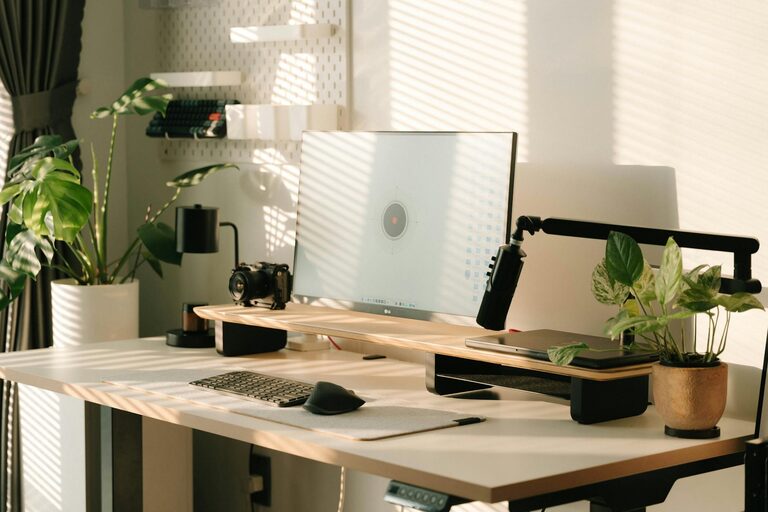
Tips for Creating a Relaxing Home Workspace to Boost Productivity
Creating a relaxing home workspace is essential for anyone looking to improve focus and productivity while working from home. A well-designed area can reduce stress, encourage creativity, and help you maintain a healthy work-life balance. Whether you have a dedicated room or just a small corner of your living space, these tips can help you design an environment that feels comfortable and energizing.
Why a Relaxing Workspace Matters
Your environment plays a huge role in how productive and motivated you feel throughout the day. A cluttered or uncomfortable space can cause distractions and make it hard to concentrate. On the other hand, a calm, organized workspace promotes better mental clarity and helps keep your energy levels steady. It’s not just about looks—comfort and functionality are key to sustaining long work sessions without burnout.
Choose the Right Location
Find a Quiet Spot
Pick a place in your home where you experience minimal noise and interruptions. If that isn’t possible, consider noise-canceling headphones or soft background music.
Natural Light is a Bonus
Whenever possible, set up your workspace near a window. Exposure to natural light improves mood and alertness. If that’s not an option, invest in warm, adjustable lighting that mimics daylight.
Ergonomics for Comfort and Health
Sitting comfortably and maintaining good posture can prevent physical strain. Here are some basics:
– Chair: Use an adjustable chair with good lumbar support.
– Desk Height: Your desk should allow your forearms to rest parallel to the floor.
– Positioning: Keep your monitor at eye level and about an arm’s length away.
– Footrest: If your feet don’t reach the floor comfortably, add a footrest.
Comfort helps you stay focused and reduces the risk of aches and fatigue.
Declutter and Organize
A cluttered desk can lead to a cluttered mind. Consider these tips for keeping your workspace tidy:
– Use storage containers, shelves, or drawer organizers to keep essential items in place.
– Limit your desk items to daily necessities.
– Establish a quick daily or weekly cleanup routine.
– Consider cable management solutions to keep cords under control.
Organizing your workspace makes it easier to find what you need and keeps distractions low.
Personalize Your Space
A workspace should feel inviting and unique to you. Personal touches can boost your mood and creativity:
– Add a few plants. They improve air quality and add a soothing touch.
– Display inspiring artwork or photos.
– Choose calming colors or decor that make you feel relaxed.
– Use a comfortable desk mat or mouse pad.
Just be careful not to overcrowd the space—keep personalization balanced with functionality.
Incorporate Relaxation Elements
Taking short breaks to relax during work hours will help maintain your productivity. Consider including:
– A small cushion or balance ball chair for posture shifts.
– Scented candles or essential oil diffusers with calming aromas like lavender or eucalyptus.
– A small water fountain or nature sound machine for background ambiance.
– A timer or app to remind you to take short, mindful breaks.
These elements can support a peaceful mindset conducive to work.
Keep Technology Smart and Simple
Technology is essential, but it can also distract or cause frustration. Maximize productivity by:
– Organizing cables and charging stations neatly.
– Using noise-canceling headphones to block distractions.
– Choosing devices with eye-friendly screens or filters to reduce strain.
– Minimizing on-screen clutter and keeping only necessary applications open.
Smart technology choices enhance your workflow and comfort.
Maintain a Clear Work-Life Boundary
One challenge of working at home is separating work from personal life. To support this:
– Set specific work hours and stick to them.
– Use your workspace only for work tasks if possible.
– At the end of the day, close your laptop and “leave” your workspace.
– Let household members know your work schedule to reduce interruptions.
A clear boundary helps your brain switch off from work mode and recharge.
Final Thoughts
Designing a relaxing home workspace is about balancing function and comfort. Focusing on location, ergonomics, organization, and personal touches can transform your work environment into a peaceful productivity zone. When your workspace supports both your physical and mental well-being, you’ll find it easier to concentrate, complete tasks efficiently, and enjoy your workday more.
Try incorporating these tips gradually and adjust as you find what works best for you. With the right setup, your home office can become a place where productivity and relaxation exist side by side.


