
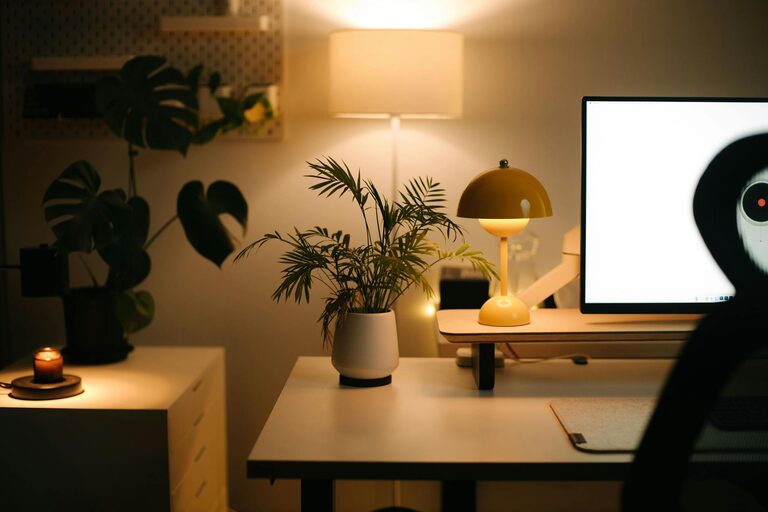
Tips for Creating a Cozy and Functional Home Office Space
Creating a home office that is both cozy and functional can greatly enhance your productivity and overall well-being. Whether you’re working remotely, freelancing, or simply need a dedicated space for personal projects, a well-designed office can make all the difference. This guide offers practical tips to help you transform any corner of your home into an inviting and efficient workspace.
Assess Your Needs and Available Space
Before you begin decorating or buying furniture, take time to understand your specific needs and evaluate the space you have.
– Identify your work style: Do you mostly write, use a computer, or take calls? Knowing your tasks helps determine the type of desk, chair, and equipment you need.
– Measure your space: Whether it’s a spare bedroom, a section of the living room, or a nook under the stairs, knowing the exact dimensions will guide your furnishing choices.
– Consider light and noise: Note where natural light enters and assess noise levels. A quieter, brighter space tends to be more conducive to focus.
Choose Comfortable and Supportive Furniture
Comfort is key in a home office because you’ll likely spend long hours seated.
– Ergonomic chair: Invest in a chair with adjustable height, lumbar support, and comfortable cushioning. This will reduce strain and keep you comfortable.
– Desk size and height: Ensure your desk allows you to sit with your feet flat on the floor and your elbows at a 90-degree angle when typing.
– Flexible seating options: Consider a small couch, cushioned stool, or balance ball for occasional switching of posture during breaks.
Optimize Lighting for Productivity and Mood
Lighting impacts both your energy levels and the overall ambiance of your workspace.
– Maximize natural light: Position your desk near a window to benefit from daylight, which reduces eye strain and boosts mood.
– Layer lighting: Use a mix of overhead, task, and ambient lighting to create a balanced environment.
– Invest in quality task lighting: A good desk lamp with adjustable brightness helps reduce fatigue when working late or on detailed projects.
Incorporate Personal Touches and Cozy Elements
To make your home office inviting, add elements that promote comfort and a sense of well-being.
– Soft textiles: Use rugs, cushions, or a throw blanket to add warmth and texture.
– Plants: Indoor plants improve air quality and create a calming atmosphere.
– Artwork and decor: Surround yourself with inspiring prints, photos, or objects that reflect your personality.
– Scent: Subtle scents like lavender or eucalyptus from a diffuser can enhance concentration and relaxation.
Organize Efficiently to Reduce Clutter
A clutter-free workspace helps maintain focus and reduces stress.
– Use storage solutions: Shelves, filing cabinets, and drawer organizers keep supplies tidy and accessible.
– Desk essentials only: Keep your workspace clear of unnecessary items, having only what you need within arm’s reach.
– Cable management: Use clips, sleeves, or boxes to keep cords tidy and prevent tangling.
Design for Flexibility and Future Needs
Your needs may evolve, so design your home office to be adaptable.
– Modular furniture: Choose pieces that can be reconfigured or expanded as necessary.
– Extra outlets and charging stations: Plan electrical access to accommodate new devices.
– Mobile accessories: Rolling carts or portable lap desks can add versatility for different tasks or locations.
Maintain a Healthy Work Environment
Your home office should support good health habits.
– Take breaks and move: Incorporate standing or stretching breaks to avoid prolonged sitting.
– Air quality: Keep the room well-ventilated and consider an air purifier to maintain fresh air.
– Screen position: Place monitors at eye level to prevent neck strain.
Final Thoughts
Creating a cozy and functional home office is about balancing comfort, practicality, and personal style. By planning carefully and investing in key elements like ergonomic furniture, good lighting, and smart organization, you’ll craft a space that supports productivity while making work enjoyable. Remember, your home office should feel like a positive and inspiring place—after all, it’s where you spend much of your time!


